빅데이터 기반 호텔 로봇 서비스스케이프 구성 요인 탐색: 이용객 온라인 후기 빅데이터 활용을 중심으로
Copyright ⓒ 2026 The Digital Contents Society
This is an Open Access article distributed under the terms of the Creative Commons Attribution Non-CommercialLicense(http://creativecommons.org/licenses/by-nc/3.0/) which permits unrestricted non-commercial use, distribution, and reproduction in any medium, provided the original work is properly cited.

초록
COVID-19 팬데믹 이후 비대면 서비스 수요의 증가로 호텔 산업에서 로봇 서비스 도입이 빠르게 확산되고 있다. IFR 및 Booking.com 등의 조사에서 비대면 기술의 중요성과 시장 성장 가능성이 확인됨에 따라, 본 연구는 호텔 서비스스케이프 내 로봇 서비스의 역할과 고객 경험에 미치는 영향을 분석하고자 하였다. 이를 위해 2021년부터 2023년까지 TripAdvisor에 게시된 후기 78,234건을 대상으로 LDA, Word2Vec, 감정 분석을 수행하였다. 분석 결과, 로봇 서비스는 청결, 배달, 안내와 같은 기능을 통해 편의성, 효율성, 혁신적 브랜드 이미지를 강화하는 긍정적 요인으로 작용하였다. 반면, 사회적 상호작용의 부족과 물리적 환경과의 부조화로 인한 부정적 경험도 확인되었다. 이에 본 연구는 로봇을 단순한 기능적 장비가 아닌 공간 경험의 상호작용 요소로 재정의하고, 기술적 효율성과 인간 중심 환대의 균형을 고려한 통합적 서비스스케이프 설계 방향을 제시한다.
Abstract
As demand for contactless services increased after the COVID-19 pandemic, service robots became widely adopted in the hotel industry. This study examines the role of robot services within the hotel servicescape and their influence on guest experiences by analyzing 78,234 TripAdvisor reviews posted between 2021 and 2023. Latent Dirichlet Allocation (LDA), Word2Vec, and sentiment analysis were applied to identify key experience factors. The results indicate that robot services enhance convenience, efficiency, and an innovative brand image through functional tasks such as delivery and guidance, while negative experiences are primarily associated with limited social interaction and physical environmental constraints. These findings suggest that service robots should be understood as interactive spatial elements, rather than merely as functional devices, highlighting the need for integrated servicescape design that balances technological efficiency with human-centered hospitality.
Keywords:
Service Robot, Hotel Servicescape, Big Data Analysis, Customer Experience, Hospitality Design키워드:
서비스 로봇, 호텔 서비스스케이프, 빅데이터 분석, 고객 경험, 환대 디자인Ⅰ. 서 론
1-1 연구 배경 및 목적
최근 다양한 서비스에서 로봇을 쉽게 만날 수 있게 되었다. 특히 카페나 식당 같은 일상생활 공간에서도 로봇이 등장하면서, 로봇 서비스는 이제 고객과의 상호작용 및 소통을 바탕으로 서비스를 제공하는 중요한 인터페이스로 자리 잡고 있다. 이러한 로봇 서비스의 활성화는 인구 변화, 기술 발전, 그리고 팬데믹과 같은 다양한 요인들에 기인한다.
코로나19 팬데믹이 장기화되면서 비대면 서비스에 대한 수요가 급격히 증가하였고, 국제로봇연맹(IFR)은 서비스 로봇 시장이 2023년까지 연평균 23%의 성장세를 기록할 것으로 전망하였다. 기업들은 고객의 사용 의도를 높이기 위해 인간과 유사한 모습을 가진 로봇 개발을 추진하고 있으며, 호텔과 관광 분야 등 다양한 영역에서도 로봇 서비스가 빠르게 확산되고 있다. 여행활동 중 기술 사용에 대한 소비자 인식 조사(Booking.com, 2021)에 따르면, 코로나19 기간 동안 대면활동을 최소화하기 위한 기술이 중요하게 인식되고 있으며, 응답자의 64%는 이러한 기술의 중요성을 강조하였다.
특히, 호텔 산업은 이러한 변화 속에서 고객 경험과 서비스 품질이 핵심 경쟁력으로 작용하는 분야로, 최근 인건비 상승과 비대면 서비스 수요의 증가에 따라 로봇 서비스의 활용이 확대되고 있다. 선행연구는 로봇 서비스가 고객과의 상호작용을 개선하고 만족도를 높일 수 있음을 제시하고 있다[1],[2]. 그러나 실제 호텔 이용객의 감정 반응과 공간 경험에 대해 총체적으로 로봇 서비스를 분석한 연구는 드물다.
구체적으로 본 연구는 (1) 호텔 로봇 서비스에 대한 이용객의 긍정·부정 감정 반응이 주요 경험 요인으로 어떻게 구분되는지를 분석하고, (2) 해당 감정 반응이 서비스스케이프의 물리적 차원(공간·동선·설비 등)과 사회적 차원(상호작용·커뮤니케이션·서비스 품질 등) 가운데 어느 요소들과 상대적으로 밀접한 연관성을 보이는지를 검토하였다. 또한 (3) 이러한 분석 결과를 바탕으로 호텔 서비스스케이프 맥락에서 로봇 서비스의 역할을 경험 구성 요소로 재개념화하고자 하였다. 이를 위해 TripAdvisor 온라인 후기에서 로봇 서비스 관련 텍스트를 수집·정제한 후, 텍스트 마이닝 기반의 토픽 도출과 감성 분석을 통해 경험 요인을 체계화하고, 도출된 요인을 서비스스케이프의 물리적·사회적 구조에 따라 해석하였다. 최종적으로 본 연구는 로봇 서비스의 효율적 운영을 위해 고려되어야 할 물리적·사회적 요인을 종합적으로 정리하고, 이를 토대로 고객 경험 가치를 증진할 수 있는 실질적인 도입 방향을 제시한다.
1-2 연구 방법
본 연구는 로봇 서비스의 도입이 호텔 이용객의 경험에 미치는 영향을 파악하기 위해, 실제 경험을 토대로 작성된 수많은 후기 데이터 분석에 빅데이터(Big data)를 활용하고자 한다. 김정숙에 따르면, 빅데이터는 기존 시스템으로 처리하기 어려운 거대한 데이터 집합을 넘어, 이를 수집·분석하여 유용한 정보를 도출하고 의사결정과 비즈니스 전략에 활용하는 혁신적 프로세스를 의미하며, 각종 SNS 등에서 소비자의 마음을 읽어내는 효과적인 방법론이다[3].
이에 본 연구는 데이터 수집의 원천으로 세계 최대 규모의 여행 정보 플랫폼인 트립어드바이저(TripAdvisor)를 선정하였다. 트립어드바이저는 전 세계 수백만 개의 숙박 시설에 대해 10억 건 이상의 리뷰와 의견을 보유하고 있으며, 월간 4억 명 이상의 방문자가 이용하는 독보적인 글로벌 플랫폼이다[4]. 이는 특정 국가나 소규모 플랫폼에 국한되지 않은 범용적인 데이터를 확보할 수 있다는 점에서 표본의 대표성을 가지며, 가장 방대한 양의 텍스트 데이터가 축적되어 있어 빅데이터 분석을 통해 소비자의 구체적인 경험과 인식을 도출하기에 가장 적합한 매체라 할 수 있다.
구체적인 데이터 수집을 위해 트립어드바이저 메인 검색창에서 ‘Robot’이라는 키워드를 입력하여 관련 리뷰를 추출하였다. 수집 과정은 파이썬(Python) 언어와 셀레니움(Selenium) 웹 드라이버를 활용하여 연간 랭킹 리스트의 상세 페이지 접근부터 각 후기가 작성된 호텔 정보 및 평점 데이터의 수집까지 자동화하여 진행하였다.
데이터를 수집하는 크롤링 과정을 통해 약 78,000개의 후기를 확보하였으며, 후기 데이터는 불용어 제거와 표제어 추출이라는 전처리 과정을 거쳤다. 이후 워드클라우드, LDA(Latent Dirichlet Allocation, 잠재 디리클레 할당)를 이용한 토픽모델링을 시행하고 Word2Vec(Word to vector, 워드 투 벡터) 모델을 사용한 단어 간 유사도 분석으로 특정 단어들이 쓰인 맥락을 유추하였다. 추가로 이용객의 후기 데이터 감정분석을 통해 각 후기의 긍정적 경험 지표와 부정적 경험 지표를 분석하였다. 마지막으로 이용객들의 후기 안에서 드러난 경험 영향 요인들을 선행 연구를 통해 도출한 호텔 서비스스케이프 요인에 대입하여 이용객들의 경험에 어떤 요인이 영향을 주었는지 분석하였다(표 1).

Research methods according to the data preprocessing stages
Ⅱ. 본 론
2-1 이론적 배경
서비스 로봇이란 산업용 로봇을 제외한 로봇을 총칭하며, 크게 ‘개인 서비스 로봇’과 ‘전문 서비스 로봇’으로 분류된다. ‘개인 서비스 로봇’은 생활 범주에서 개인적인 용도로 사용되며 비상업적 태스크를 수행하는 로봇으로, 가사용, 교육용, 엔터테인먼트용, 헬스케어용 등으로 세분화된다. 반면 ‘전문 서비스 로봇’은 전문화된 작업 및 상업적 목적을 수행하는 로봇을 의미하며, 청소용, 필드용, 의료용, 구조 및 안전 로봇 등 특정 태스크를 수행하는 로봇이 이에 해당한다[5],[6].
이러한 서비스 로봇 분야는 높은 시장 잠재력을 가지고 있으나, 비즈니스 측면에서 성공적인 상용화를 이루기 위해서는 단순한 기술적 완성을 넘어 사용자가 로봇을 어떻게 인식하고 경험하는지에 대한 이해가 필수적이다. 특히 HCI(Human-Computer Interaction) 분야에서는 사용자의 경험 속성과 인식이 디자인의 목표이자 주요한 평가 요인으로 다루어져 왔다[7]. 이에 따라 최근 서비스 로봇 분야에서도 기술적 성능뿐만 아니라 사용자의 인식 및 평가에 관한 연구가 중요하게 다루어지고 있으며, 교육, 완구, 노인 케어, 동반자 로봇 등 다양한 서비스 유형별로 관련 연구가 활발히 진행되고 있다.
호텔 서비스 로봇 관련 선행연구를 살펴보면, 서비스 로봇은 고객 대응과 내부 구성원 간 연결의 매개체로 작용하며[1], 인간과의 상호작용을 통해 높은 수준의 고객지향성을 유도한다는 긍정적 평가를 받아왔다[2]. 반면, 로봇의 기계적인 어조나 감정이 결여된 부자연스러운 언어적 특성이 오히려 고객의 인식과 감정에 부정적 영향을 미쳐 좋지 않은 이미지를 형성할 수 있다는 지적도 제기되었다[6],[8]. 또한 단순한 상호작용을 넘어, 로봇이 제공하는 서비스 품질과 즐거움이 고객의 긍정적 행동을 유발하거나[9]-[11], 직원과 로봇 간의 형성된 신뢰 관계가 고객의 인식에 유의미한 영향을 미침을 확인함으로써[12] 로봇 서비스가 고객 경험의 질을 변화시키는 주요 변수임을 입증하였다. 아울러 기능적 측면에서는 로봇의 배달, 청소, 안내 등의 업무 수행이 서비스 효율성과 편의성에 기여한다는 연구들도 다수 진행되었다.
종합하면, 기존의 호텔 서비스 로봇 연구는 주로 고객과의 단편적인 상호작용이나, 배달 및 청소와 같은 로봇의 특정 기능의 역할 수행에 집중되어 왔다. 그러나 고객의 경험은 단일 요소에 의해 결정되는 것이 아니라 서비스 환경 내의 다양한 요소가 결합되어 총체적으로 인지된다[12]. 즉, 로봇 서비스가 단독으로 존재할 때보다 호텔의 물리적 시설이나 다른 인적 서비스와 만났을 때 긍정적 시너지를 내는지, 혹은 부조화를 일으키는지 파악하는 것이 중요하다. 따라서 앞으로의 연구는 로봇 서비스를 단순한 기술적 도입이나 개별적 상호작용의 대상으로 볼 것이 아니라, 서비스스케이프(Servicescape) 내에서 다른 환경적 요소들과 관계를 맺으며 총체적 경험을 형성하는 하나의 구성 요소로 확장하여 이해할 필요가 있다. 본 연구는 이러한 관점을 바탕으로, 호텔 이용객 후기의 감정과 공간적 맥락을 연결함으로써 로봇 서비스가 호텔의 물리적·사회적 환경 속에서 만들어내는 입체적인 경험 구조를 분석하는 데 초점을 두고자 한다.
비트너는 서비스스케이프를 인공적으로 조성된 구매 환경으로 정의하고, 이를 환경적 조건(온도·조명·소음·향 등), 공간의 배치와 기능성, 그리고 사인·상징물·조형물과 같은 인공물 요소로 구분하였다[12]. 초기 서비스스케이프는 주로 이러한 물리적 환경에 초점을 두었다. 이에 톰과 맥콜케네디는 서비스 환경을 물리적 차원에만 한정하지 않고, 소비 공간 안에서 발생하는 사람 간 상호작용과 사회적 단서를 포함해 이해해야 한다고 제안하였다[13]. 이후 로젠바움과 마시야는 사회적 관계, 집단적 기호, 장소의 상징성과 정체성을 포함하는 사회적 서비스스케이프(Social Servicescape) 개념을 확장적으로 제시하면서, 서비스스케이프가 물리적·사회적 맥락을 포괄하는 총체적 환경으로 발전시켰다[14].
본 연구는 호텔에서의 서비스스케이프 요인을 분류하기 위해 먼저 비트너가 제시한 물리적 서비스스케이프의 분류 체계를 활용하였다[12]. 비트너는 서비스 경험을 구성하는 물리적 맥락의 핵심 기준을 서비스환경 요인, 공간의 배치와 기능성, 사인·심벌·인공물 등 세 가지 범주로 구분하였으며, 이러한 구분은 호텔 공간을 분석하는 데에도 적용 가능한 포괄적 틀을 제공한다는 점에서 연구의 대분류로 채택하였다. 이후 국내 선행연구를 중심으로 호텔 서비스스케이프와 관련된 다양한 구성요인을 검토하였다. 기존 연구들은 호텔·리조트·레스토랑 등 숙박 및 서비스 산업 전반을 다루며 청결성, 접근성, 공간의 효율성, 심미성, 기능성 등 호텔 환경을 평가하는 핵심 요소들을 반복적으로 제시해 왔다. 이러한 연구들에서 제안된 모든 세부 요인을 수집한 뒤 의미가 중복되거나 유사하게 사용된 항목을 하나의 범주로 통합하고, 호텔의 공간적 특성과 서비스 제공 과정에 맞도록 용어를 조정하였다. 그 결과 국내 연구에서 빈번하게 등장한 편의성, 심미성, 기능성, 청결성, 접근성 등이 공통적으로 호텔 환경을 설명하는 주요 특성으로 도출되었다.
위와 같이 통합된 특성들은 물리적 서비스스케이프 대분류 안에서 재배치되었다. 편의성과 기능성은 공간의 배치와 사용 편의라는 측면에서 배치·기능성 범주에 포함되었으며, 심미성은 호텔의 시각적·감각적 특징을 설명하는 요인으로 사인과 심벌, 인공물 범주 안에서 정리되었다. 청결성과 쾌적성 등 물리적 쾌적성 요소는 환경 요인에 해당하는 항목으로 분류되었다. 접근성은 외부 접근성과 내부 이동성을 함께 포함하므로 배치·기능성 요인과 환경 요인 모두와 연관되지만, 본 연구에서는 고객이 호텔을 이용하는 과정에서 인지하는 공간적 용이성에 초점을 두어 배치·기능성 요인 안에 포함하였다.
여기에 톰과 멕콜-케네디, 로젠바움과 마시야가 제안한 사회적 서비스스케이프 개념을 반영하여 물리적 환경만으로 설명할 수 없는 사회적 맥락이 독립된 범주로 포함되었다[13],[14]. 사회적 요인은 직원의 태도와 전문성, 고객 간 분위기, 호텔이 전달하는 상징성과 정체성 등 호텔 서비스 경험에서 중요한 의미를 갖는 요소들로 구성하였다. 이러한 요인들은 고객이 호텔 공간을 해석하고 평가하는 과정에서 물리적 환경과 함께 작용하는 요소들이기 때문에 서비스스케이프의 전체 구조 안에서 독립된 범주로 정리되었다. 위 과정을 통해 호텔 서비스스케이프를 설명하는 물리적·사회적 요인의 통합 구조가 아래와 같이 도출되었다(표 2). 아래 표는 본 연구의 후기 분석에서 로봇서비스가 호텔 서비스스케이프 요인에 어떻게 작용하는지 분류하고 해석하는 기준으로 활용된다.
Hotel servicescape elements derived from previous studies
2-2 후기 분석
본 연구는 실제 호텔의 서비스 로봇 이용객의 온라인 후기를 분석하여 서비스스케이프 요인과 고객 경험 간의 관계를 실증적으로 검증하고자 하였다.
이를 위해 2021년부터 2023년까지의 트립어드바이저 후기 데이터를 수집하고, 자연어처리(NLP) 기반의 빅데이터 분석 기법을 활용하였다. 특히, 후기 텍스트에 내재된 의미 구조를 파악하기 위해 잠재 디리클레 할당(Latent Dirichlet Allocation, LDA) 기반의 토픽모델링을 수행하였으며, 도출된 토픽의 의미를 서비스스케이프 요인과 연계하여 해석하였다.
전처리 과정을 거친 후기 텍스트의 잠재된 주제를 식별하기 위해 잠재 디리클레 할당(Latent Dirichlet Allocation, LDA) 기반의 토픽모델링을 수행하였다[15]. 분석 결과는 웹 기반 시각화 도구인 pyLDAvis를 활용하여 토픽별 단어 분포와 관계를 시각적으로 확인하였다.
적정 토픽 수 산정을 위해 엘보우(Elbow) 기법을 적용하였으며, LDA 모델을 여러 개의 토픽 수로 반복 학습한 후, 모델의 성능을 평가하는 두 가지 지표인 혼란도(Perplexity)와 일관성(Coherence) 값을 비교하였다. 혼란도는 모델이 실제 데이터를 얼마나 잘 예측하는지를 나타내며 값이 낮을수록 모델의 성능이 높음을 의미한다. 반면 일관성은 토픽 내 단어들의 의미적 일관성을 평가하는 지표로, 값이 높을수록 주제의 명확성과 해석 가능성이 커진다. 엘보우 분석과 토픽별 시각화 결과를 종합적으로 검토한 결과, 총 4개의 주요 토픽이 도출되었으며, 이후 각 토픽의 의미를 해석하고 호텔 서비스스케이프 요인과의 관계를 분석하였다.
그림 1은 LDA 모델의 토픽 수 결정을 위해 산출한 혼란도와 일관성 값의 변화를 시각화한 결과를 보여준다. 혼란도 그래프(좌측)는 토픽 수가 증가할수록 값이 점진적으로 감소하다가 일정 수준 이후 완만해지는 구간을 나타내며, 일관성 그래프(우측)는 주제 간 일관성이 가장 높게 유지되는 구간을 확인할 수 있다. 두 지표를 종합적으로 고려했을 때, 토픽 수 4개 지점에서 모델의 성능과 해석 가능성이 가장 균형을 이루었다.
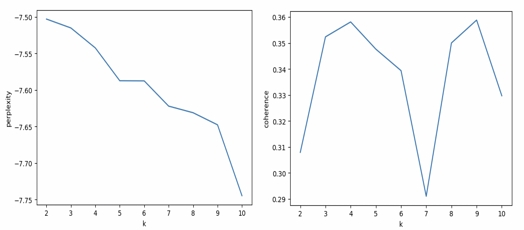
Determination of the optimal number of topics using perplexity and coherence measures
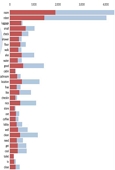
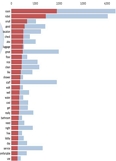
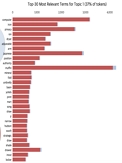
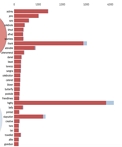
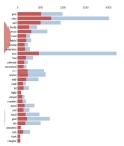
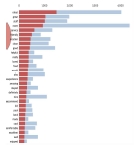
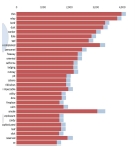
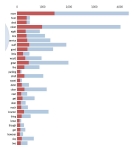
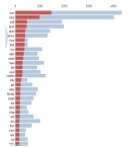
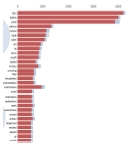
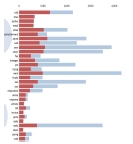
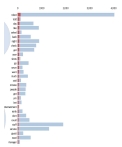
네 개의 토픽들이 실제로 각각 어떤 주제를 가졌는지는 직접 단어들을 살펴보고 명명해야 하는데, 이를 위해 토픽별 람다 값을 각각 1, 0.5, 0의 세 가지로 설정하고 분석을 시행하였다. 추출되는 토픽별, 람다 값 별 구성 단어들은 표 3에 정리하였는데, 아직 각 토픽의 실제 주제는 알 수 없기에 대신 토픽 번호를 부여하였다. 람다 값은 1에 가까울수록 토픽 안에서 많이 사용된 단어들을 보여주고, 0에 가까울수록 해당 토픽만의 특징이 되는 단어들을 보여준다.
Topic modeling results visualized using pyLDAvis
토픽모델링에서 수집된 단어 중 자주 응답되는 단어와 함께 단어 간 유사도 분석을 통해 맥락을 자세히 파악해야 할 단어들을 아래와 같이 토픽별로 선정하였다(표 4).
Target words for similarity measurement by topic
앞서 토픽 모델링을 통해 도출된 각 토픽별 주요 단어(표 4)들이 실제 문맥 속에서 어떠한 의미로 사용되었는지 구체적으로 파악하기 위해, 워드투벡(Word2vec) 기법을 활용한 단어 간 유사도 분석을 실시하였다[16].
분석을 위해 젠심(Gensim) 라이브러리의 워드투벡 모델을 로드하고, 전처리 과정을 거친 전체 이용 후기 텍스트를 스킵-그램(Skip-gram) 알고리즘을 이용해 학습시켰다[17]. 반복 학습을 통해 단어 간의 의미적 관계를 나타내는 벡터 공간이 적절히 형성됨을 확인하였으며, 단어 벡터 간의 거리 계산(코사인 유사도, Cosine Similarity)을 통해 타겟 단어와 의미적으로 가장 가까운 상위 단어 목록을 산출하였다. 유사도 분석은 연구 목적에 따라 두 가지 차원에서 진행되었다. 첫째, 로봇 서비스에 대한 고객의 감정적 맥락을 파악하기 위해, 리뷰 데이터를 긍정과 부정으로 분류한 뒤 핵심 키워드인 ‘robot’과 유사도가 높은 단어들을 비교 분석하였다. 둘째, 전체적인 서비스 경험의 맥락을 이해하기 위해 전체 리뷰 데이터를 대상으로 표 4에서 선정된 주제별 주요 단어들과 높은 유사도를 보이는 연관 단어들을 도출하였다. 먼저 토픽 1의 단어와 유사도가 높은 단어들은 표 5와 같이 정리하였다.
Classification of words showing high similarity to Topic 1 - related terms
토픽 1은 객실 내 공간 구성, 청결, 체크인 및 배달 서비스와 같은 로봇 서비스의 실용적 기능을 중심으로 형성되었다(표 6). ‘room’, ‘check’, ‘clean’, ‘cool’ 등의 주요 단어는 고객이 호텔 공간과 로봇의 서비스를 함께 인식하고 있음을 보여준다. 특히 로봇이 어메니티를 객실까지 전달하거나, 청결 유지 및 안내 등 비대면 업무를 수행하는 과정에서 고객은 공간 효율성과 서비스 편리성을 동시에 체험한 것으로 나타났다. 이러한 경험은 단순한 기술 활용을 넘어, 로봇 서비스가 숙박의 물리적 환경 속에 자연스럽게 통합되어 작동하고 있음을 의미한다.고객은 로봇의 신속함과 정확성, 그리고 신기함을 긍정적으로 평가하며, 이러한 체험을 통해 호텔 서비스의 효율성과 현대적 이미지를 전달하는 경험을 하고 있음을 알 수 있다.
Analysis of the theme and key terms of Topic 1
두번째 주제인 토픽 2에 속한 핵심 단어들과 높은 유사도를 보인 연관 단어들을 분석하여 정리하였다(표 7).
Classification of words showing high similarity to Topic 2 - related terms
토픽 2는 고객이 서비스 접점에서 경험하는 직원과 로봇의 응대 태도, 서비스의 친절성, 그리고 이를 통해 형성되는 전반적인 감정적 만족감을 중심으로 구성되었다. 특히 ‘staff’, ‘friendly’, ‘helpful’, ‘service’, ‘loved’, ‘experience’와 같은 단어들의 높은 등장은 로봇 서비스가 단독으로 존재하는 것이 아니라, 인적 서비스와의 상호작용 속에서 평가되고 있음을 시사한다(표 8). 이는 로봇 도입 환경에서도 여전히 인적 서비스의 중요성이 강조되고 있음을 보여주는 동시에, 고객이 로봇과 직원을 개별적인 요소가 아닌 하나의 통합된 서비스 시스템으로 인식하고 있다는 방증이다.
Analysis of the theme and key terms of Topic 2
구체적으로 후기 내용을 살펴보면, 고객들은 로봇이 제공하는 신속하고 정확한 배송 능력과 직원이 제공하는 따뜻하고 세심한 응대를 동시에 언급하며 긍정적인 평가를 내렸다. 로봇은 단순 반복적인 업무를 수행하여 대기 시간을 줄이고 편의성을 높이는 역할을 담당하는 한편, 직원은 고객의 감정을 살피고 복합적인 문제를 해결하는 역할을 수행함으로써 상호 간의 역할 분담이 명확하게 이루어지고 있었다.
이러한 분석 결과는 로봇과 인간이 공존하며 서비스를 제공하는 협력적 환대의 개념으로 해석될 수 있다. 고객은 로봇의 기술적 정밀함에서 오는 신뢰와 직원의 인간적 친밀함에서 오는 정서적 유대감을 상호보완적인 가치로 받아들인다. 즉, 로봇의 존재가 직원의 서비스를 대체하는 것이 아니라, 오히려 직원이 고객에게 집중할 수 있는 환경을 조성함으로써 서비스의 질을 한 단계 높이는 시너지 효과를 창출하고 있는 것이다. 결과적으로 토픽 2의 분석은 로봇 서비스가 단순히 편의성을 제공하는 도구를 넘어, 고객의 감정적 안정과 신뢰 형성에 기여하는 중요한 매개체임을 시사한다. 이는 호텔이 제공하는 서비스 전반을 기술 중심의 차가운 경험이 아닌, 인간미와 기술이 조화를 이루는 보다 풍부하고 정서적으로 균형 잡힌 하이브리드 경험으로 확장시키는 역할을 수행한다고 볼 수 있다.
세번째 주제인 토픽 3에 속한 핵심 단어들과 높은 유사도를 보인 연관 단어들을 분석하여 정리하였다(표 9).
Classification of words showing high similarity to Topic 3 - related terms
토픽 3은 숙박 전반에 걸친 로봇 서비스의 참여와 그로 인한 감정적 만족을 중심으로 형성되었다. ‘robot’, ‘great’, ‘amazing’, ‘helpful’, ‘cozy’, ‘next’ 등의 단어는 고객이 로봇을 단순한 기술적 장치가 아닌 체험의 일부이자 감정적 대상으로 인식하고 있음을 보여준다(표 10). 특히 로봇 이름(botlr, alfred, yolanda 등)이 반복적으로 언급되는 것은 고객이 로봇에 개별적 성격을 부여하며 친근감과 유대감을 형성하고 있음을 시사한다. 이러한 맥락에서 로봇은 숙박 경험을 매개하는 감정적 존재로서, 서비스 효율뿐 아니라 즐거움과 흥미를 제공하는 상징적 역할을 수행한다. 또한 고객의 후기에서 ‘next’, ‘would recommend’와 같은 표현이 자주 등장하는 점은 로봇 서비스가 재방문 의향 및 긍정적 영향으로 이어질 수 있는 것을 의미한다.
Analysis of the theme and key terms of Topic 3
네번째 주제인 토픽 4에 속한 핵심 단어들과 높은 유사도를 보인 연관 단어들을 분석하여 정리하였다(표 11).
Classification of words showing high similarity to Topic 4 - related terms
토픽 4는 호텔 로봇 서비스가 제공하는 품질과 신뢰도, 그리고 서비스 실패 상황을 반전시키는 서비스 회복과정에서의 역할에 대한 고객 인식을 중심으로 형성되었다. 표 12와 같이, 해당 토픽에서는 ‘botlr’라는 키워드가 독립적으로 등장하지 않고 ‘frontdesk’, ‘personnel’과 같은 인적 서비스 주체를 지칭하는 단어들과 높은 연관성을 보이며 도출되었다. 이는 로봇 서비스가 호텔 내에서 단독으로 기능하는 것이 아니라, 인적 서비스와 유기적으로 연결된 협력적 서비스 생태계 안에서 작동하고 있음을 강력하게 시사한다. 즉, 고객들은 로봇을 인간 직원을 완전히 대체하는 독립된 객체로 인식하기보다, 프론트데스크나 직원의 업무를 물리적으로 지원하거나 그들의 지시를 수행하여 서비스를 완성하는 시스템의 연장선으로 이해하고 있다.
Analysis of the theme and key terms of Topic 4
특히, 감정 분석 및 키워드 간의 맥락적 관계이다. 표 12의 ‘complained’, ‘issue’와 같은 부정적 상황을 암시하는 단어들은 역설적이게도 ‘impeccable’, ‘sophisticated’와 같은 최상급의 긍정적 형용사들과 동시에 등장하고 있다. 일반적으로 서비스 실패 상황은 부정적 평가로 이어지기 쉬우나, 로봇이 개입된 상황에서는 이러한 패턴이 다르게 나타난다. 이는 고객의 불만이나 요청 사항이 접수되었을 때, 로봇이 신속하고 정확하게 투입되어 문제를 해결하여 부정적 경험을 긍정적으로 전환시키는 서비스 회복의 핵심 기제로 작동했음을 보여준다. 결과적으로 고객은 로봇 서비스를 단순한 물품 전달이나 자동화 도구로 한정 짓지 않는다. 오히려 호텔의 브랜드 이미지를 제고하고, 체계적인 품질 관리가 이루어지고 있음을 증명하는 고도화된 서비스 요소로 받아들이고 있다. 이는 로봇이 인간 직원의 업무상 공백을 메우거나 보완함으로써 전반적인 서비스 신뢰도를 높이는 경험적 요인으로 기능하고 있음을 방증한다.
표 13은 호텔 로봇 서비스 후기 데이터를 토픽별로 분석한 결과를 종합한 것으로 분석 결과, 고객 후기는 로봇 서비스의 활용 맥락과 경험적 의미에 따라 네 가지 범주로 구분되었다.
Summary of thematic meaning flows across topics in robot service - related reviews
첫째, 토픽 1은 객실 환경과 관련된 실용적 기능에 초점이 맞춰져 있었다. 고객은 로봇이 객실 내에서 이동하거나 물품을 배달하고, 청결 관리를 수행하는 과정을 통해 숙박의 편리함과 공간 활용의 효율성을 높였다고 평가하였다.
둘째, 토픽 2는 직원과 로봇의 서비스 태도 비교를 중심으로 한 감정적 환대 경험이 드러났다. 고객은 로봇이 신속하고 정확하게 업무를 수행하는 점을 긍정적으로 인식하면서도, 직원의 친절한 응대와 결합될 때 서비스 전반에 대한 만족도가 높게 나타났다.
셋째, 토픽 3은 숙박 경험 속에서 로봇이 호텔 경험의 일부로 인식된 사례를 보여준다. 고객은 로봇의 이름이나 외형, 서비스 과정 자체를 즐거움의 요소로 받아들이며, 로봇을 호텔 체험의 상징적 존재로 인식하는 경향을 보였다.
마지막으로, 토픽 4는 로봇 서비스의 완성도와 서비스 회복 과정에 관한 후기들이 중심을 이루었다. 문제 발생이나 요청 상황에서도 로봇이 빠르고 효율적으로 대응하는 모습을 통해 서비스 품질에 대한 신뢰와 안정감을 확보한 것으로 나타났다.
종합하면, 로봇 서비스는 고객의 실제 이용 경험 속에서 기능적 편의, 감정적 환대, 상징적 인식, 품질 신뢰 등 다양한 차원에서 언급되고 있으며, 사용자의 호텔 이용 맥락 전반에 걸쳐 다층적인 경험 요소로 작용한다.
2-3 종합 후기 데이터에 대한 결과 분석
본 연구는 호텔 로봇 서비스 경험의 전반적인 구조를 파악하기 위해, 사용자가 남긴 긍정 후기와 부정 후기를 모두 포함한 전체 텍스트 데이터를 대상으로 추가적인 토픽모델링을 수행하였다. 앞선 분석에서는 긍정 후기와 부정 후기를 개별적으로 분리하여 감정 경향과 경험 요소를 비교하였다면, 본 단계에서는 후기를 통합하여 로봇 서비스 경험 전반에서 나타나는 공통적·핵심적 주제를 도출하고자 하였다. 이를 위해 동일한 전처리 절차와 분석 방법론(LDA 기반 토픽모델링)을 적용하여 전체 후기 데이터에서 주요 주제의 잠재 구조를 재추출하였으며, 분석 결과 총 일곱 개의 주요 토픽이 도출되었다. 이러한 통합 분석은 로봇 서비스에 대한 고객 경험이 긍정·부정 감정의 차이를 넘어 어떠한 공통 패턴을 형성하는지를 파악하고, 서비스스케이프 요인과 종합적으로 해석하기 위한 기반을 제공한다.
긍정적 감정으로 분류된 후기 데이터를 대상으로 LDA 토픽모델링을 수행한 결과, 고객의 긍정적 경험 구조는 총 6개의 주요 토픽으로 유형화되었다(표 14). 도출된 토픽의 분포를 살펴보면, 고객들이 로봇 서비스를 단순히 독립적인 기능으로 평가하기보다 호텔의 전반적인 서비스 품질 및 시설 경험과 결합하여 인식하고 있음을 알 수 있다.
Analysis of topic modeling results for positive reviews
가장 높은 비중을 차지한 ‘전반적 고객 만족 경험(토픽1, 39.9%)’은 로봇 서비스가 호텔의 기초적인 서비스 품질에 긍정적인 영향을 미치고 있음을 시사한다. 이어 ‘객실 및 부대시설의 우수성(토픽2, 27.4%)’과 ‘체크인 및 로봇 서비스의 효율성(토픽3, 20.7%)’이 상위 토픽으로 도출되었는데, 이는 로봇이 제공하는 배달 및 안내의 신속성과 비대면 체크인의 편리함이 고객이 체감하는 물리적·기능적 편의성을 강화했음을 보여준다. 즉, 고객은 로봇을 통해 대기 시간을 단축하고 프라이버시를 보장받는 등 실질적인 효용을 경험하며 이를 긍정적으로 평가하였다.
특히 주목할 점은 ‘특별한 고객 경험 제공(토픽4, 5.0%)’과 ‘로봇 캐릭터를 통한 경험 차별화(토픽5, 4.9%)’가 별도의 토픽으로 형성되었다는 것이다. 비록 빈도는 상대적으로 낮으나, 이는 로봇이 단순한 자동화 기기를 넘어 고객에게 ‘새로운 즐거움’과 ‘기억에 남는 이벤트’를 제공하는 감성적 매개체로 작용함을 의미한다. 고객은 로봇의 외형이나 움직임에 캐릭터성을 부여하며 친밀감을 형성하였고, 이러한 독특한 경험을 해당 호텔만의 차별화된 매력으로 인식하였다. 마지막으로 ‘가족 및 여가 목적의 만족도(Topic 6, 2.1%)’는 로봇 서비스가 아이를 동반한 가족 단위 고객이나 여가 목적의 투숙객에게 유희적 요소를 제공하여 긍정적 체류 경험을 형성하는 데 기여하였다.
종합하면, 긍정적 후기에서 나타난 고객 경험은 ‘효율성과 편의성’이라는 기능적 가치를 기반으로 하되, 흥미와 차별화된 경험이라는 감성적 가치로 확장되는 구조를 보이고 있다.
부정적 감정으로 분류된 후기 데이터를 분석한 결과, 고객의 불만족 요인은 크게 두 가지 핵심 토픽으로 유형화되었다(표 15). 여기서 주목할 점은 ‘객실 시설 및 기본 서비스의 불만족(Topic 1)’이 65.4% 비중을 차지했으며, ‘서비스 경험 및 직원·로봇 대응 문제(Topic 2)’는 34.6%로 나타났다는 사실이다.
Analysis of topic modeling results for negative reviews
50%가 넘은 토픽 1은 객실의 공간 제약, 침대의 불편함, 짐 보관 문제 등 호텔의 가장 기초적인 물리적 환경과 기본 서비스에 대한 불만을 포함한다. 이는 로봇이라는 혁신 기술이 도입된 환경이라 하더라도, 투숙객이 호텔에 기대하는 본질적인 가치(편안한 숙박과 기본 편의)가 충족되지 않을 경우 불만족이 지배적으로 나타남을 보여준다. 즉, 객실 상태나 기본 시설이 열악하다면 로봇 서비스의 도입 효과가 희석되거나 고객 경험에 긍정적인 영향을 미치기 어렵다는 것을 시사한다.
토픽 2는 로봇의 기능적 오류나 직원의 부적절한 대응, 서비스 지연 등 상호작용 과정에서의 실패를 다루고 있다. 이는 로봇 서비스가 원활하게 작동하지 않거나, 문제 발생 시 직원의 보완적 대응이 미흡할 경우 발생하는 불만을 의미한다.
결과적으로 부정적 후기 분석 결과는 기본의 중요성을 역설하고 있다. 호텔이 경쟁 우위를 위해 첨단 로봇 서비스를 제공하더라도, 객실 품질과 기본적인 인적 서비스가 안정적으로 뒷받침되지 않는다면 고객을 만족시킬 수 없다. 따라서 성공적인 로봇 서비스 도입을 위해서는 로봇 자체의 기능 구현뿐만 아니라, 호텔의 핵심 상품인 객실 및 기본 서비스 품질에 대한 철저한 관리가 선행되어야 한다.
2-4 후기 속 잠재된 토픽과 호텔 서비스스케이프 요인 분석
본 절은 로봇 서비스 후기의 토픽 분석, 긍·부정 후기 분류, 감정어 분석을 통합하여 서비스스케이프 요인과의 연관성을 종합적으로 분석했다(표 16). 분석 결과, 전체 후기 기반의 주요 토픽(1~4)은 로봇 서비스가 호텔 이용 과정에서 수행하는 기능적·감정적 역할을 파악할 수 있었으며, 긍정 후기 토픽(5~6)은 고객이 로봇 서비스를 통해 느낀 흥미와 만족 요인을, 부정 후기 토픽(7~8)은 서비스 한계 및 운영상 문제를 중심으로 나타났다. 로봇 서비스는 물리적 환경 요인(전체 후기 토픽 1, 부정 후기 토픽 7)에서 효율성과 편리함을 높이는 역할을 수행하였으며, 사회적 상호작용 요인(전체 후기 토픽 2, 긍정 후기 토픽 6)에서는 직원과 로봇 간 협력적 서비스 및 감정적 환대 경험이 두드러졌다. 또한 심미적 요인(전체 후기 토픽 3, 긍정 후기 토픽 5)에서는 로봇의 외형, 이름, 캐릭터 등 상징적 속성을 중심으로 흥미와 즐거움이 강조되었다. 반면 서비스 회복 관련 요인(전체 후기 토픽 4)는 긍.부정 평가가 혼재되어 있으며, 이는 로봇의 기능적 완성도와 고객 기대 간의 간극을 반영한다.
Topics and associated servicescape factors identified from the overall reviews
종합하면, 로봇 서비스는 서비스스케이프의 물리적·사회적·심미적 요인 전반에 걸쳐 고객 경험을 다층적으로 구성하고 있으며, 특히 긍정 후기에서는 감정적 만족과 재미를, 부정 후기에서는 기능적 불편과 한계를 중심으로 각기 다른 방향의 경험 구조가 형성되고 있음을 확인할 수 있다.
Ⅲ. 결 과
본 연구는 로봇 서비스를 중심으로 한 호텔 후기 데이터를 분석하여, 서비스스케이프 요인과 호텔에서의 총체적 고객 경험 간의 상관 구조를 실증적으로 도출하였다. 분석 결과, 로봇 서비스는 물리적 요인(청결성·기능성)을 중심으로 호텔 이용의 효율성을 높이고, 사회적 요인(사회성·상징성)을 통해 감정적 환대와 브랜드 이미지를 강화하였다. 또한 심미적 요인에서는 로봇의 시각적·감각적 특성이 고객에게 흥미와 즐거움을 유발하였으며, 서비스 회복 요인에서는 신속한 문제 대응과 기술적 완성도가 만족도와 관련된 요인으로 확인되었다.
표 17은 본 연구에서 수행한 토픽모델링, 긍·부정 후기 분석, 감정어 분석의 결과를 바탕으로, 호텔 내 로봇 서비스가 고객 경험 속에서 어떠한 방식으로 서비스스케이프 요인과 연결되는지를 물리적 요인과 사회적 요인의 두 가지 관점에서 종합적으로 정리한 것이다[12],[14]. 서비스스케이프는 기존 연구에서 제시된 바와 같이 물리적·사회적 환경을 포괄적으로 포함하는 개념이며, 본 연구는 이를 토대로 로봇 서비스가 고객 경험에서 수행하는 역할을 직·간접적 관점에서 분석하였다.
Hotel servicescape factors associated with robot service experiences in hotels
먼저 물리적 요인에서는 로봇이 객실 내 이동, 물품 배달, 청결 유지, 온도·위생 환경 관리 등 기능적이고 실체적인 서비스를 수행함으로써 고객의 편리성과 효율성을 높이는 역할을 하였다. 이는 주로 공간의 사용성, 동선의 효율성, 시설 운영의 안정성과 같은 물리적 서비스스케이프 요인에 직결되는 요소들로, 로봇의 작동 안정성·응답성·정확성 등이 고객 만족을 결정하는 핵심 요인이라고 할 수 있다. 일부 부정적 평가는 기술적 문제나 동작 제한에서 기인하였으나, 전체적으로는 로봇이 호텔의 물리적 서비스 품질을 보조하거나 대체하는 기능적 장치로 작용하였다.
반면, 사회적 요인에서는 로봇이 직원·고객과의 상호작용 과정에서 보조적이거나 협력적인 역할을 수행하면서 감정적 경험과 관련된 요소로 작동하고 있음을 확인하였다. 고객 후기에서는 로봇의 응대 방식, 대응 정교함, 협력 태도, 인식된 친절감 등이 반복적으로 언급되었으며, 이는 로봇이 단순한 자동화 기계를 넘어 감정적 인터페이스로 작용하고 있음을 보여준다. 특히 로봇과 직원의 공동 서비스 제공 상황에서는 상호보완성이 강조되었으며, 이러한 협력 구조가 고객의 신뢰 형성과 감정적 환대 경험을 강화하는 것으로 나타났다. 로봇의 이름, 외형, 움직임과 같은 사회적·상징적 속성 역시 고객의 흥미와 긍정적 경험을 증폭시키는 요인으로 작용하였다.
정리하자면, 로봇 서비스는 물리적 요인(청결성·기능성)을 중심으로 호텔 이용의 효율성을 높이고, 사회적 요인(사회성·상징성)을 통해 감정적 환대와 브랜드 이미지에 영향을 미친다. 또한 심미적 요인에서는 로봇의 시각적·감각적 특성이 고객에게 흥미와 즐거움을 유발하였으며, 서비스 회복 요인에서는 신속한 문제 대응과 기술적 완성도가 만족도를 좌우하는 요소로 작용하였다. 즉, 서비스 로봇은 호텔 내 서비스 제공 매개체로서 단순한 자동화 장치를 넘어, 고객이 인지하는 서비스 환경의 일부이자 감정적 인터페이스로 작용하고 있다고 볼 수 있다. 따라서 향후 호텔 산업에서는 로봇 서비스의 기술적 완성도를 높이는 동시에, 서비스 로봇과 서비스스케이프 요인 간의 통합적 설계와 감정적 경험의 균형을 위한 전략적 접근이 필요하다.
Ⅳ. 결 론
본 연구는 호텔 로봇 서비스가 이용객 경험에 미치는 영향을 실제 온라인 후기 빅데이터를 기반으로 분석하고, 이를 호텔 서비스스케이프의 관점에서 해석하고자 하였다. 이론적 배경에서 파악하였듯, 기존의 호텔 로봇 서비스 관련 연구들은 주로 로봇과 이용자 간의 개별적 상호작용, 기술 수용도, 또는 서비스 만족도와 같은 단일 관계에 초점을 맞추어 로봇 서비스의 효과를 평가해 왔다. 이러한 접근은 로봇의 기능적 성과나 이용자의 인식 변화를 설명하는 데에는 유의미하였으나, 로봇이 실제로 배치되고 작동하는 서비스 환경 전반에 걸친 고객 경험에서의 역할에 대한 설명에는 한계를 지닌다.
이에 본 연구는 로봇 서비스를 독립적인 기술 요소가 아닌, 호텔의 물리적·사회적 환경과 결합된 서비스스케이프의 구성 요소로 설정하고, 이용객의 실제 경험이 로봇 서비스와 공간, 인적 서비스가 상호작용하는 과정 속에서 어떻게 형성되는지를 분석하였다[18]-[21]. 특히 설문이나 실험 상황이 아닌, 이용 후기가 축적된 대규모 온라인 데이터를 활용함으로써, 실제 로봇 서비스가 객실 환경, 직원 응대, 서비스 흐름, 서비스 회복 과정 등 호텔 이용 전반의 맥락에서 경험을 파악할 수 있었다는 점에서 기존 연구를 보완하였다. 이러한 관점 전환을 통해 본 연구는 로봇 서비스의 효과를 단편적인 만족도 차원이 아닌, 호텔 경험을 구성하는 구조적 요인으로 설명하고자 하였으며, 이는 기존 연구와 구별되는 본 연구의 주요한 학술적 기여이다.
또한, 실제 이용 후기 데이터를 기반으로 고객의 자연언어적 반응을 분석하여 서비스스케이프 요인을 도출하였다는 점에서 방법론적 의의가 있다. 이는 설문 기반 연구가 갖는 응답 편향의 한계를 보완하고, 고객의 맥락적 경험을 보다 현실적으로 포착했음을 의미한다. 아울러 토픽모델링과 감정분석을 병행함으로써 로봇 서비스 경험이 긍정·부정 차원에서 어떻게 분화되는지를 체계적으로 확인하였으며, 이는 향후 서비스 디자인 및 HRI(Human-Robot Interaction) 분야에서 정성·정량 분석을 통합한 데이터 기반 분석 모형으로 활용될 수 있을 것이다.
본 연구의 결과는 호텔 산업에서 로봇 서비스를 도입하고 운영하는 데 있어 다음과 같은 실무적 시사점을 제공한다.
첫째, 로봇 서비스 도입 시 호텔의 물리적 환경과의 적합성을 최우선으로 고려한 공간 설계가 선행되어야 한다. 분석 결과, 로봇의 이동 지연이나 장애물로 인한 오류는 고객의 부정적 경험을 유발하는 주요 원인으로 나타났다. 따라서 로봇을 단순한 기능적 도구로 배치하기에 앞서, 로봇의 주행 동선, 엘리베이터 연동성, 객실 통로의 폭 등 물리적 인프라가 로봇 운영에 최적화되어 있는지 사전에 진단하고, 로봇과 물리적 환경이 매끄럽게 조화를 이루는 서비스 환경을 구축해야 한다.
둘째, 로봇과 직원 간의 명확한 역할 분담 및 '협력적 서비스 프로토콜'을 수립해야 한다. 연구 결과, 고객은 로봇과 직원이 상호 보완적으로 작동할 때 높은 신뢰를 보였으며, 특히 서비스 실패 상황에서 직원의 개입 여부가 만족도를 결정짓는 중요한 변수로 작용했다. 그러므로 로봇에게 모든 서비스를 일임하기보다는, 단순 반복 업무는 로봇이 수행하고 감정적 케어나 돌발 상황 대처는 직원이 담당하는 협업 모델을 구축해야 한다. 이를 통해 로봇 서비스가 직원의 업무를 대체하는 것이 아니라, 인적 서비스의 품질을 강화하는 지원 도구로 인식되도록 운영 전략을 설계할 필요가 있다.
셋째, 로봇의 기능적 효율성을 넘어 심미적·상징적 요소를 활용한 감성적 경험 디자인 전략이 필요하다. 긍정 후기 분석에서 확인된 바와 같이, 고객은 로봇의 캐릭터성, 이름, 외형 등에서 즐거움과 흥미를 느꼈으며 이를 호텔만의 차별화된 매력으로 인식하였다. 따라서 호텔은 로봇을 단순한 배달 기계로 접근할 것이 아니라, 브랜드 아이덴티티를 반영한 커스터마이징이나 인터랙티브 요소를 가미하여 고객에게 정서적 즐거움을 제공하는 가치를 부여해야 한다.
본 연구는 다음과 같은 한계를 가진다. 첫째, 데이터 수집 대상이 특정 플랫폼에 한정되어 있어 연령, 문화권, 언어권에 따른 고객 인식의 다양성을 충분히 반영하지 못했다. 둘째, 텍스트 중심의 분석은 표정, 행동, 체류 시간 등 비언어적 경험 요소를 포착하는 데 한계가 있다. 셋째, 안내, 배달, 체크인 등 로봇 서비스의 유형에 따른 세부적인 경험 차이를 깊이 있게 비교 분석하지 못했다.
그러므로 향후 연구에서는 다양한 플랫폼과 언어권 데이터를 포함한 교차문화 비교 연구를 수행하여 연구의 일반화 가능성을 높일 필요가 있다. 또한 정량 분석과 더불어 인터뷰, 관찰, 실험 등의 정성 연구를 병행함으로써 로봇 서비스스케이프 내에서 작동하는 고객의 감정적·사회적 메커니즘을 보다 다각적으로 규명할 수 있을 것이다.
Acknowledgments
본 연구는 2023년도 홍익대학교 학술연구진흥비에 의하여 지원되었습니다.
References
-
C. Prentice, S. D. Lopes, and X. Wang, “The Impact of Artificial Intelligence and Employee Service Quality on Customer Satisfaction and Loyalty,” Journal of Hospitality Marketing & Management, Vol. 29, No. 7, pp. 739-756, 2020.
[https://doi.org/10.1080/19368623.2020.1722304]

-
K. Tajeddini, “Customer Orientation, Learning Orientation, and New Service Development: An Empirical Investigation of the Swiss Hotel Industry,” Journal of Hospitality & Tourism Research, Vol. 35, No. 4, pp. 437-468, 2011.
[https://doi.org/10.1177/1096348010380599]
-
J.-S. Kim, “Big Data Utilization and Related Technique and Technology Analysis,” Review of Korea Contents Association, Vol. 10, No. 1, pp. 34-40, 2012.
[https://doi.org/10.20924/CCTHBL.2012.10.1.034]
- Tripadvisor. Official Website [Internet]. Available: https://www.tripadvisor.co.kr/, .
-
J.-S. Lee, Commercialization of AI Robots, Service Robots and Humanoid Robots, UKR Journal of Economics, Business and Management, Vol. 1, No. 9, pp. 71-85, 2025.
[https://doi.org/10.5281/zenodo.17596520]
- A. Narwal, “A Critical Growth Analysis of Industrial and Professional Services Robots Installed and in Operation Worldwide,” International Journal of Technology, Health and Sustainability, Vol. 1, No. 1, pp. 25-30, 2025. https://ijths.wordpress.com/wp-content/uploads/2025/09/ijths-010116-2.pdf
-
A. Bhattacherjee, “Understanding Information Systems Continuance: An Expectation-Confirmation Model,” MIS Quarterly, Vol. 25, No. 3, pp. 351-370, 2001.
[https://doi.org/10.2307/3250921]
-
M. S. Islam and K. Kirillova, “Non-Verbal Communication in Hospitality: At the Intersection of Religion and Gender,” International Journal of Hospitality Management, Vol. 84, 102326, 2020.
[https://doi.org/10.1016/j.ijhm.2019.102326]
-
R. Ladhari, N. Souiden, and B. Dufour, “The Role of Emotions in Utilitarian Service Settings: The Effects of Emotional Satisfaction on Product Perception and Behavioral Intentions,” Journal of Retailing and Consumer Services, Vol. 34, pp. 10-18, 2017.
[https://doi.org/10.1016/j.jretconser.2016.09.005]
-
D. Parapanos and E. Michopoulou, “Innovative Mobile Technology in Hotels and the Use of Gamification,” Tourism Planning & Development, Vol. 20, No. 2, pp. 162-187, 2023.
[https://doi.org/10.1080/21568316.2022.2107563]
-
C.-E. Yu and H. F. B. Ngan, “The Power of Head Tilts: Gender and Cultural Differences of Perceived Human vs. Human-Like Robot Smile in Service,” Tourism Review, Vol. 74, No. 3, pp. 428-442, 2019.
[https://doi.org/10.1108/TR-07-2018-0097]
-
M. J. Bitner, “Servicescapes: The Impact of Physical Surroundings on Customers and Employees,” Journal of Marketing, Vol. 56, No. 2, pp. 57-71, April 1992.
[https://doi.org/10.1177/002224299205600205]
-
A. Tombs and J. R. McColl-Kennedy, “Social-Servicescape Conceptual Model,” Marketing Theory, Vol. 3, No. 4, pp. 447-475, 2003.
[https://doi.org/10.1177/1470593103040785]
-
M. S. Rosenbaum and C. Massiah, “An Expanded Servicescape Perspective,” Journal of Service Management, Vol. 22, No. 4, pp. 471-490, 2011.
[https://doi.org/10.1108/09564231111155088]
- D. M. Blei, A. Y. Ng, and M. I. Jordan, “Latent Dirichlet Allocation,” Journal of Machine Learning Research, Vol. 3, pp. 993-1022, 2003.
-
K. W. Church, “Word2Vec,” Natural Language Engineering, Vol. 23, No. 1, pp. 155-162, 2017.
[https://doi.org/10.1017/S1351324916000334]
-
L. Wang, Y. Ling, Z. Yuan, M. Shridhar, C. Bao, Y. Qin, ... and X. Wang, “Gensim: Generating Robotic Simulation Tasks via Large Language Models,” arXiv:2310.01361, , 2023.
[https://doi.org/10.48550/arXiv.2310.01361]
-
S. Ivanov and C. Webster (Eds.), Robots, Artificial Intelligence, and Service Automation in Travel, Tourism and Hospitality, Bingley, UK: Emerald Publishing Limited, 2019.
[https://doi.org/10.1108/9781787566873]
-
I. P. Tussyadiah and S. Park, “Consumer Evaluation of Hotel Service Robots,” in Proceedings of the International Conference on Information and Communication Technologies in Tourism 2018, Jönköping: Sweden, pp. 308-320, 2018.
[https://doi.org/10.1007/978-3-319-72923-7_24]
-
J. Wirtz, P. G. Patterson, W. H. Kunz, T. Gruber, V. N. Lu, S. Paluch, and A. Martins, “Brave New World: Service Robots in the Frontline,” Journal of Service Management, Vol. 29, No. 5, pp. 907-931, 2018.
[https://doi.org/10.1108/JOSM-04-2018-0119]
-
D. Yin, M. Li, H. Qiu, B. Bai, and L. Zhou, “When the Servicescape Becomes Intelligent: Conceptualization, Assessment, and Implications for Hospitableness,” Journal of Hospitality and Tourism Management, Vol. 54, pp. 290-299, 2023.
[https://doi.org/10.1016/j.jhtm.2023.01.001]
저자소개

2014년:충북대학교 디자인학부 학사 졸업
2017년:홍익대학교 일반대학원 디자인학부 시각디자인 석사 졸업
2024년:홍익대학교 일반대학원 디자인학부 시각디자인 박사 수료
2021년~2024년: 비전홀딩스 코퍼레이션 디자인팀 과장
2022년~현 재: 홍익대학교 일반대학원 디자인공예학과 시각디자인 박사 과정
2025년~현 재: 홍익대학교 조형대학 디자인컨버전스학부 외래교수, 충남대학교 디자인창의학과 시각제품디자인 강사
※관심분야:서비스디자인, AI, 커뮤니케이션디자인, 디자인씽킹, 브랜딩

2002년:Pratt Institute (NY) Graduate School, Communications Design: MS
2013년: Lancaster University, PhD in Design
2013년~현 재: 홍익대학교 디자인학부 시각디자인 교수
※관심분야:Design Strategy & Capability Management, UX/Service Design, Branding, Designerly ways (Design Thinking), Design Methods.