Design Characteristics and Proposals for VR Meditation in Depression Supportive Therapy
Copyright ⓒ 2026 The Digital Contents Society
This is an Open Access article distributed under the terms of the Creative Commons Attribution Non-CommercialLicense(http://creativecommons.org/licenses/by-nc/3.0/) which permits unrestricted non-commercial use, distribution, and reproduction in any medium, provided the original work is properly cited.

Abstract
As application of VR technology is increasing in mental health care, its potential for the supportive treatment of depression has attracted growing attention. Meditation plays an important role in traditional non-pharmacological interventions for depression. The development of VR offers new possibilities for delivering meditative experiences. This study reviews the design features of existing VR meditation applications, and based on a synthesis of relevant literature, summarizes content design directions suitable for supportive treatment of depression across multiple dimensions. It has been found that the special needs of the patients are not fully reflected. Effective VR meditation for this population should be tailored to depressive characteristics by maintaining stable natural environments, carefully controlling sensory stimulation intensity, adopting gentle guidance rhythms, and reducing the operational burden of user interaction. Finally, this paper discusses future directions for integrating AI with VR meditation, providing new perspectives for digital mental health interventions.
초록
VR 기술이 정신건강 분야에 적용되면서, 우울증 지원적 치료에서의 활용 가능성에 대한 관심이 점차 확대되고 있다. 명상은 전통적인 비약물적 우울증 중재에서 중요한 역할을 하며, VR 기술의 발전은 명상 경험의 제공 방식에 새로운 가능성을 제시한다. 본 연구는 기존 VR 명상 애플리케이션의 디자인 특성을 검토하고, 관련 문헌을 바탕으로 우울증 지원적 치료에 적합한 VR 명상 콘텐츠 설계 방향을 도출하였다. 환자의 특수한 요구를 충분히 반영하지 못하고 있는것으로 확인되었다. 우울증 환자를 위한 VR 명상은 자연 환경을 안정적으로 제시하는 것을 기본으로, 감각 자극의 강도를 적절히 조절하고, 부드러운 안내 리듬을 적용하며, 사용자 상호작용으로 인한 조작 부담을 최소화할 필요가 있다. 마지막으로 본 논문은 AI 기술과 VR 명상의 융합 가능성을 논의하며, 디지털 정신건강 중재를 위한 새로운 연구 관점을 제시한다.
Keywords:
Artificial Intelligence, Depression, Supportive Treatment, Virtual Reality, VR Meditation키워드:
인공지능, 우울증, 지지적 치료, 가상현실, VR 명상Ⅰ. Introduction
Depression[1], as a highly prevalent affective disorder, has become a major public health concern worldwide. In addition to pharmacological and physical treatments, psychological interventions play a critical role in the long-term management of depression and the prevention of relapse. In recent years, non-traditional supportive interventions for depression have been increasingly developed. Among them, meditation, as a training practice that enhances self-awareness and emotional regulation, has been widely demonstrated to have positive effects in alleviating depressive symptoms[2]. With the rapid advancement of VR technology, the spatial settings, contextual environments, and guidance methods of traditional meditation practices are being redefined. Immersive VR-based meditation not only overcomes temporal and spatial limitations but also provides richer sensory dimensions and interactive possibilities for emotional intervention.
In particular, when addressing the core characteristics of individuals with depression—such as persistent low mood, attentional difficulties, and heightened cognitive sensitivity—VR meditation demonstrates notable advantages in lowering the threshold for engagement and enhancing participation. However, existing studies have largely focused on the technical feasibility of VR meditation or on preliminary evaluations of its therapeutic effects. Systematic discussions of VR meditation content design principles that specifically consider the psychological characteristics of individuals with depression remain limited. Therefore, this article aims to explore the design elements of VR meditation content for supportive treatment of depression by analyzing VR meditation application cases in the market and combining relevant literature, focusing on research in the areas of scene content, visual presentation, audio design, and interaction design. This will provide a reference for related content creation and subsequent empirical research.
Ⅱ. Background
2-1 Definition and Classification of Meditation
Meditation is a form of psychological practice that employs specific mental techniques or training methods to achieve focused attention, emotional regulation, and heightened awareness of consciousness. It originated in Eastern religious and philosophical traditions, particularly within Buddhism and Hinduism, where it has a long historical foundation. With the development of modern psychology and neuroscience, meditation has gradually been incorporated into mainstream Western mental health interventions and is now regarded as an important tool for enhancing psychological resilience, reducing stress, and improving emotional disorders.
Based on differences in practice goals and methods, meditation can be broadly classified into four categories: Focused Attention Meditation (FAM), Open Monitoring Meditation (OMM), Mindfulness Meditation, and Loving-Kindness Meditation (LKM). Table 1 presents a comparative overview of these meditation types in terms of their core characteristics, practice methods, main effects, and target populations.

Comparison of common types of meditation
Based on the comparison presented in Table 1, in combination with evidence from clinical practice, mindfulness meditation and loving-kindness meditation are most commonly employed in the supportive treatment of psychological disorders such as depression and anxiety.
2-2 Effects of Mindfulness Meditation on Depression
In recent years, mindfulness meditation has been widely applied in the supportive treatment of depression due to its positive effects on cognitive processes and emotional regulation. By enhancing individuals’ awareness and acceptance of negative emotions, mindfulness meditation reduces emotional avoidance and suppression, thereby strengthening emotional regulation capacities. Mindfulness practice also promotes cognitive decentering, enabling individuals to observe their thoughts and emotions from a detached, observer perspective. This process weakens the impact of negative automatic thoughts on emotional states. In addition, mindfulness meditation improves attentional control, helping individuals with depression reduce ruminative thinking and increase engagement with present-moment experiences. Neuroscientific evidence further supports these effects. A study by Chuan-Chih Yang et al. demonstrated that mindfulness meditation practice can alter the structure and functional activity of brain regions associated with emotional regulation[3], indicating experience-dependent neural plasticity that facilitates emotional self-regulation .
Mindfulness-based interventions, such as Mindfulness-Based Cognitive Therapy (MBCT) and Mindfulness-Based Stress Reduction (MBSR), have been empirically validated as effective approaches for reducing depressive relapse and improving symptoms of mild to moderate depression. A large-scale randomized controlled trial published in The Lancet by Kuyken et al. reported that MBCT was comparable to maintenance antidepressant medication in preventing depressive relapse, while producing fewer adverse side effects[4].
2-3 The Potential of VR as a Medium for Supportive Treatment of Depression
With the advancement of immersive media technologies, virtual reality has increasingly been introduced into the field of mental health and is regarded as a promising medium for supportive treatment of depression. Compared with traditional two-dimensional audio or video formats, VR provides immersive spatial environments, integrated audiovisual stimulation, and interactive experiences, thereby offering users a stronger sense of presence during meditation practices. These features may enhance emotional engagement and psychological immersion, which are critical for effective emotional regulation.
However, existing VR meditation applications vary considerably in terms of scene design, sensory stimulation, and interaction mechanisms. Such differences may directly influence users’ emotional experiences and levels of psychological comfort. Therefore, the following section examines commercially available VR meditation applications as research cases, analyzing their content composition and expressive characteristics. Through this analysis, key VR meditation content features suitable for the supportive treatment of depression are identified.
Ⅲ. Comparative Analysis of Mainstream VR Meditation Applications
3-1 Tripp
TRIPP is a VR meditation application that emphasizes emotional awareness and immersive experience. Its content design is characterized primarily by abstract visual representations and rhythm-based sensory stimulation. Unlike traditional meditation applications that rely on realistic natural environments, TRIPP constructs non-representational spaces using geometric forms, flowing particles, and dynamic lighting effects, as illustrated in Fig. 1. By minimizing concrete references to the real world, the application guides users to shift their attention toward breathing, emotional states, and internal sensations.
Interface of the TRIPP application
In terms of color and lighting design, TRIPP predominantly employs gradient color schemes and low-contrast visual compositions. Gradual and continuous color transitions are used to create a stable and sustained visual experience, thereby avoiding excessive stimulation that could impose emotional or cognitive burden on users. The auditory design is closely synchronized with the visual rhythm, typically incorporating electronic ambient sounds or rhythmic soundscapes to reinforce attentional focus during meditation.
With regard to interaction design, TRIPP adopts a relatively simplified user operation model. User interactions are mainly limited to experience selection and rhythm activation, thereby minimizing potential disruptions caused by complex interactions during meditation sessions. Notably, TRIPP has recently introduced an AI-based interactive system, Kōkua XR, which functions as a virtual companion providing verbal guidance and conversational feedback. This system emphasizes contextualized and personalized interaction, aiming to enhance users’ sense of immersion and perceived psychological companionship. However, at present, this feature remains an extension of the overall experience, and its effectiveness in the supportive treatment of depression requires further empirical validation.
3-2 Nature Treks VR
Nature Treks VR is a VR meditation and relaxation application centered on immersive natural environment experiences. Its content design relies heavily on realistic representations of natural landscapes, including forests, coastlines, grasslands, and starry skies. By constructing explorable virtual natural spaces, the application offers users an immersive environment that facilitates psychological distancing from everyday stressors.
In terms of visual presentation, Nature Treks VR emphasizes spatial openness and environmental continuity. Soft natural lighting and relatively stable color schemes are employed to create a sense of safety and visual calm. The color palette primarily consists of low-saturation greens, blues, and neutral tones, which contribute to a soothing and non-intrusive visual atmosphere.
The auditory design focuses on natural soundscapes, such as wind, flowing water, and birdsong. Strong rhythmic elements or explicit verbal instructions are generally absent, thereby reducing cognitive load and allowing users to enter a relaxed state through passive sensory perception. Interaction within the environment is relatively free but minimal in intensity. As illustrated in Fig. 2, users can engage in simple movements or adjust their viewing perspective; however, the overall level of interaction remains low to avoid disrupting the relaxation experience.
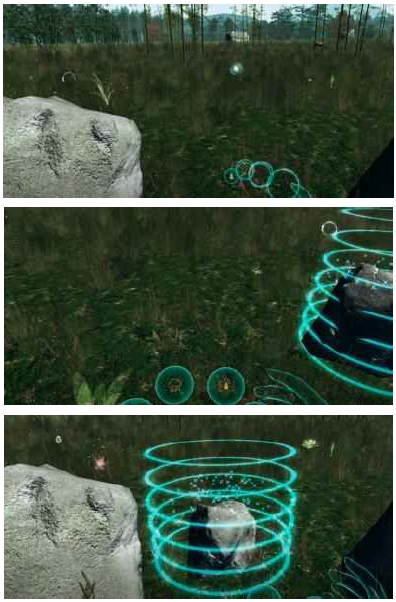
Interface and interaction of the Nature Treks VR application
3-3 Maloka
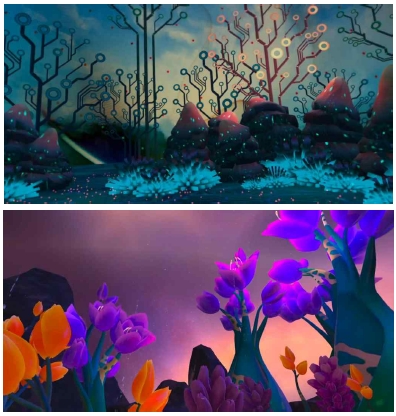
Maloka is a VR meditation application oriented toward emotional support and psychological companionship. Its content design integrates fantasy-inspired spatial construction with gentle verbal guidance. Unlike the abstract visual expression adopted by TRIPP or the realistic natural environments featured in Nature Treks VR, Maloka constructs softened and symbolic virtual worlds to provide users with emotional reassurance and psychological support.
As illustrated in Fig. 3, Maloka employs soft color palettes and simplified spatial structures in its visual design, thereby avoiding cognitive overload caused by complex environments. The overall visual composition emphasizes a sense of enclosure and approachability, which enhances users’ perceptions of psychological safety. In terms of auditory design, the application combines ambient environmental sounds with verbal guidance, using gentle and non-directive language to help users gradually enter a meditative state.
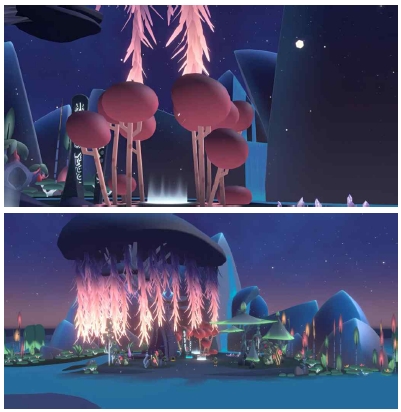
Interface of the Maloka application
Interaction design in Maloka follows a low-burden principle. User operations are primarily limited to experience selection and simple feedback, minimizing frequent decision-making that could interfere with emotional regulation. The content structure is typically presented in a modular format, allowing users to select meditation experiences with different themes or pacing according to their current emotional state.
3-4 Comparison of VR Meditation Applications
Based on the preceding case analyses, this section provides a comparative overview of differences in content design and presentation strategies among VR meditation applications. As summarized in Table 2, three representative applications—TRIPP, Nature Treks VR, and Maloka—are compared across four core dimensions: content focus, scene representation, sensory design characteristics, and interaction methods. By extracting the key features of each application, the diversity of design orientations in current VR meditation content can be more clearly understood.
Comparison of core features of VR meditation applications
As shown in Table 2, although the three VR meditation applications differ in their content emphasis and expressive strategies, they share common design principles, including the reduction of excessive sensory stimulation and the simplification of interaction mechanisms. These differences further suggest that VR meditation content can be developed through multiple design pathways to address the diverse emotional regulation needs encountered in the supportive treatment of depression.
Ⅳ. Analysis of VR Meditation Content for Supportive Treatment of Depression
As discussed above, most commercially available VR meditation applications are designed primarily for general users. Their content design has accumulated relatively mature practical experience in terms of relaxation effects, meditation guidance, and the creation of immersive experiences. However, when the target users shift to individuals with depression, it becomes necessary to reconsider which existing design practices remain applicable and which additional, condition-specific content elements should be incorporated. Accordingly, this section examines VR meditation content for the supportive treatment of depression from four perspectives: scene content, visual presentation, auditory composition, and interaction format.
4-1 Scene Content
In VR meditation applications designed for general populations, meditation scenes are commonly based on natural environments or fantastical spaces, with the primary goal of enhancing immersion and novelty. However, research in Restorative Environment Theory[5] and Environmental Psychology[6] suggests that, for emotionally vulnerable populations, environmental stability and predictability are more critical than the intensity of immersion itself.
Individuals with depression often experience persistent negative rumination and reduced psychological energy, making them more susceptible to cognitive and emotional burden when exposed to complex or highly symbolic environments[7]. Under these conditions, VR meditation content that prioritizes heightened immersion or novelty may deviate from the core needs of supportive treatment for depression. Therefore, when designing VR meditation experiences for individuals with depression, greater emphasis should be placed on environmental stability and emotional safety rather than on sensory intensity. Considering the characteristics of depressive symptoms—such as emotional instability and attentional difficulties—VR meditation scenes content for supportive treatment should incorporate several key features. First, scenes should prioritize natural environments with a high degree of realism and clear correspondence to everyday experiences. Second, environmental stability and predictability should be emphasized; thus, spatial structures should be clearly defined and hierarchically simple. Additionally, individuals with depression typically exhibit lower tolerance for unpredictable stimuli. Consequently, scene design should avoid imagery with strong metaphorical meanings or explicit emotional symbolism, thereby facilitating a greater sense of safety and psychological reassurance during virtual experiences.
Specifically, meditation scenes may preferentially adopt realistic natural environments with clearly structured spatial layouts, such as static forest landscapes or calm bodies of water, as illustrated in Fig. 4. The primary design objective of such scenes is to shift the focus from “enhancing immersion intensity” to “supporting environmental stability,” thereby better aligning VR meditation content with the therapeutic needs of individuals with depression.
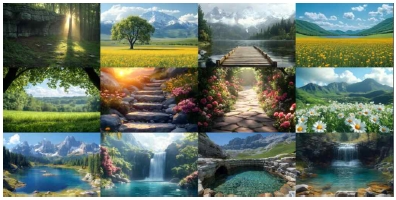
Reference examples of environments in VR meditation
4-2 Visual Presentation
In virtual reality–based interventions, visual color serves not only an aesthetic function but also directly influences users’ emotional states and cognitive load. Previous studies have demonstrated that color can exert subtle yet meaningful effects on individuals with emotional disorders by evoking associations and regulating psychological rhythms. Küller et al. reported that lighting and color conditions significantly affect psychological mood, indicating their potential as indirect intervention factors for emotional regulation[8].
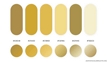
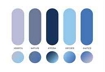
Regarding the relationship between color and emotional responses, Shahidi found that combinations of white with warm lighting or blue with cool lighting produced more favorable effects on visual perception and mood in workplace environments[9]. Similarly, Hettiarachchi demonstrated that green hues were associated with reduced levels of depression, anxiety, and stress among participants[10]. Experimental findings by Valdez further suggested that blue and purple are among the least arousing colors, supporting their suitability for emotionally sensitive populations[11]. Based on these empirical findings, color tones that may be beneficial for supportive treatment of depression can be categorized as shown in Table 3. Accordingly, the use of visual color in VR meditation for depression should prioritize emotional stabilization, reduction of excessive stimulation, and gentle activation of positive affect.
Color tone categories suitable for supportive treatment of depression
It should be noted that visual design for depression-oriented VR meditation should not rely solely on color selection to reduce stimulation. Equally important is the regulation of visual change rhythms and information density. This includes limiting the number of simultaneously moving visual elements, avoiding frequent shifts in lighting or color, and maintaining continuity and predictability in visual transitions. Such strategies help minimize irrelevant stimuli, enabling users to sustain a stable attentional state. This approach aligns closely with the core principle of mindfulness meditation, which emphasizes non-judgmental awareness of present-moment experience[12].
4-3 Audio Design (Background Sound and Guided Voice)
Sound-based therapeutic techniques have been widely applied over recent decades in the treatment of stress-related conditions, including chronic pain syndromes, depression, and anxiety[13]. As sound functions as a key channel for eliciting emotional responses and modulating states of consciousness, it plays a central role in VR meditation experiences. In VR meditation, audio support can be broadly categorized into two components: background soundscapes and guided voice.
Background music in VR meditation primarily influences emotional arousal levels through rhythm, pitch, and timbre. Research in affective psychology indicates that individuals with depression often exhibit low emotional arousal or emotional blunting, making them more susceptible to fatigue or emotional discomfort when exposed to intense or highly variable musical stimuli[14].
Therefore, within the context of supportive treatment for depression, background sound design should avoid amplify emotional expression or induce strong affective responses. Instead, its primary function should be to maintain a stable and low-variability emotional baseline. Environmental music or natural soundscapes with slow tempos, simple melodic structures, and limited dynamic ranges are recommended. Prominent crescendos, dramatic transitions, or emotionally charged musical progressions should be avoided. Such audio strategies help sustain continuity and stability in the meditation experience without eliciting additional emotional reactivity.
Guided voice plays a direct role in cognitive and emotional processing during VR meditation. Research on mindfulness-based interventions for depression has shown that linguistic framing significantly influences how individuals perceive and accept their emotional experiences[15].
In VR meditation content designed for general users, guided voice instructions are often goal-oriented or procedural, employing directive expressions such as “focus your attention” or “regulate your breathing.” However, for individuals with depression, such expressions may be internalized as task-related demands, potentially increasing perceived pressure and undermining the supportive function of meditation. Consequently, guided voice content should avoid evaluative or imperative language (e.g., “you must” or “you should”) and instead emphasize neutral descriptions of present-moment experiences and companionship-oriented prompts. Soft and permissive phrasing, such as “you may try⋯” or “if you feel comfortable⋯,” is recommended to foster acceptance and reduce performance-related stress. Additionally, vocal tempo and volume should remain steady, and verbal interventions should avoid frequent interruptions of the meditation flow. These design considerations enhance linguistic receptivity and psychological safety, thereby supporting emotional regulation in individuals with depression.
4-4 Interaction Design
In VR meditation content, interaction design represents a defining feature that distinguishes it from traditional meditation media. Beyond serving as a technical means of enhancing immersion, interaction functions as an important mechanism for emotional engagement and psychological state regulation. However, clinical psychology research indicates that individuals with depression often experience difficulties in decision initiation and action planning, and excessive interaction options may increase cognitive and emotional burden[16]. From this perspective, interaction systems designed for supportive treatment of depression should prioritize regulatory and supportive functions rather than stimulation or engagement for its own sake. Carefully calibrated interaction can enhance users’ perceived sense of environmental control, thereby fostering the psychological experience of being understood and accepted. This perceived sense of agency and psychological allowance is considered a key pathway for counteracting feelings of helplessness and social isolation commonly associated with depression.
Accordingly, interaction design should be as simple and unobtrusive as possible. Complex gestures, layered menu structures, or interaction sequences requiring sustained attentional effort should be avoided. Importantly, users should be allowed to complete the meditation experience without engaging in any interaction at all, if they choose to do so. Clear and easily accessible mechanisms for pausing and exiting the experience should be provided to enhance psychological safety and perceived controllability. Such an interaction strategy does not diminish user participation; rather, it prevents the meditation experience from being transformed into a task-oriented activity. By reducing performance demands and decision pressure, interaction design can better support emotional regulation and psychological comfort in VR meditation experiences tailored for individuals with depression.
Ⅴ. Development of AI Technologies in VR Meditation
In conclusion, the intelligent segmentation function of the Tripo platform demonstrates significant potential as a transformative solution for image-driven 3D modeling. By shifting the paradigm from monolithic mesh generation to semantic component organization, it not only lowers the technical entry barrier for non-professional users but also provides a verifiable technical foundation for the future development of AI-assisted design tools. Its broad applicability in product prototyping, virtual presentation, and interactive media underscores its value as both a practical tool and a pivotal research direction, paving the way for the next stage in the evolution of generative AI-based 3D modeling.
With the advancement of generative artificial intelligence and affective computing technologies, VR meditation is expected to evolve from a system based on predefined content into an intelligent psychological support system. This transition reflects a broader trend in digital mental health interventions toward personalization, adaptability, and user-centered design.
At the current stage, some VR meditation applications have begun to incorporate AI technologies into their experiential frameworks. For example, the Kōkua XR system adopted in the TRIPP application utilizes AI-driven conversational mechanisms to provide users with a heightened sense of psychological companionship during meditation. Building on such early implementations, future VR meditation systems designed for individuals with depression may integrate AI more deeply into the generation and modulation of meditation content.Specifically, in terms of scene content, AI technologies could generate personalized environments based on users’ behavioral patterns, dynamically adjusting environmental complexity and the pace of visual changes. With respect to visual and auditory presentation, AI systems could leverage real-time or near-real-time behavioral data to regulate sensory intensity, thereby maintaining emotional stability throughout the meditation experience. In interaction design, the integration of AI may further reduce explicit operational demands, allowing users to engage in meditation with minimal cognitive or physical effort.
It is important to emphasize that such AI-enhanced systems are not intended for clinical diagnosis or direct treatment. Rather, they function as content-support mechanisms that explore the auxiliary role of AI in facilitating meditation experiences. By embedding AI technologies across multiple components of VR meditation content, it may be possible to develop personalized adaptation pathways for users with diverse psychological states while preserving experiential stability. This direction offers a promising research perspective for the application of VR meditation in the supportive treatment of depression.
Ⅵ. Conclusion
In summary, this study combined case analysis with relevant literature to propose VR meditation content design principles suitable for individuals with depression. By analyzing and comparing existing VR meditation applications developed for general users, the study identified that current applications demonstrate relatively mature content strategies in terms of natural environment construction, immersive experience enhancement, and multisensory integration. To some extent, these elements align with the needs of emotional stabilization and psychological relaxation in the supportive treatment of depression. However, considering the heightened emotional sensitivity and increased cognitive load commonly experienced by individuals with depression, existing VR meditation applications still exhibit notable limitations when applied directly to this population. In response, this study proposed key VR meditation design considerations for supportive treatment of depression across four dimensions: scene design, visual presentation, auditory composition, and interaction design. Specifically, VR meditation content for individuals with depression should prioritize stable and realistic natural environments, reduce sensory stimulation intensity, adopt gentler and slower guidance rhythms, and minimize the operational burden associated with user interaction. These design strategies collectively contribute to enhancing users’ sense of psychological safety and emotional comfort. Furthermore, advancements in artificial intelligence technologies may enable more personalized content modulation for individuals with depression, whose psychological states often vary significantly across individuals and stages of the disorder. In future research, it would be beneficial to implement the pilot content based on the design principles proposed in this study and supplement the content with evaluations of user experience or expert validity verification to review the appropriateness and effectiveness of the proposed design. Such efforts may further strengthen the role of VR meditation as a supportive intervention within the broader landscape of digital mental health care.
References
- World Health Organization. Depressive Disorder [Internet]. Available: https://www.who.int/news-room/fact-sheets/detail/depression, .
-
F. B. R. Parmentier, M. García-Toro, J. García-Campayo, A. M. Yañez, P. Andrés, and M. Gili, “Mindfulness and Symptoms of Depression and Anxiety in the General Population: The Mediating Roles of Worry, Rumination, Reappraisal and Suppression,” Frontiers in Psychology, Vol. 10, 506, 2019.
[https://doi.org/10.3389/fpsyg.2019.00506]

-
C.-C. Yang, A. Barrós-Loscertales, M. Li, D. Pinazo, V. Borchardt, C. Ávila, and M. Walter, “Alterations in Brain Structure and Amplitude of Low-frequency after 8 weeks of Mindfulness Meditation Training in Meditation-Naïve Subjects,” Scientific Reports, Vol. 9, No. 1, pp. 273-278, 2019.
[https://doi.org/10.1038/s41598-019-47470-4]
-
W. Kuyken, R. Hayes, B. Barrett, R. Byng, T. Dalgleish, D. Kessler, ... and S. Byford, “Effectiveness and Cost-Effectiveness of Mindfulness-Based Cognitive Therapy Compared with Maintenance Antidepressant Treatment in the Prevention of Depressive Relapse or Recurrence (PREVENT): A Randomised Controlled Trial,” The Lancet, Vol. 386, No. 9988, pp. 63-73, 2015.
[https://doi.org/10.1016/S0140-6736(14)62222-4]
- WIKIPEDIA. Nature Therapy [Internet]. Available: https://en.wikipedia.org/wiki/Nature_therapy, .
-
E. von Lindern, F. Lymeus, and T. Hartig, The Restorative Environment: A Complementary Concept for Salutogenesis Studies, in The handbook of salutogenesis, Cham, Switzerland: Springer, 2016.
[https://doi.org/10.1007/978-3-319-04600-6_19]
- J. S. Beck, Cognitive Behavior Therapy: Basics and Beyond, 3rd ed. New Yorrk, NY: The Guilford Press, 2021.
-
R. Küller, S. Ballal, T. Laike, B. Mikellides, and G. Tonello, “The Impact of Light and Colour on Psychological Mood: A Cross-Cultural Study of Indoor Work Environments,” Ergonomics, Vol. 49, No. 14, pp. 1496-507, 2006.
[https://doi.org/10.1080/00140130600858142]
-
R. Shahidi, R. Golmohammadi, M. Babamiri, J. Faradmal, and M. Aliabadi, “Effect of Warm/Cool White Lights on Visual Perception and Mood in Warm/Cool Color Environments,” EXCLI Journal, Vol. 20, pp. 1379-1393, 2021.
[https://doi.org/10.17179/excli2021-3974]
-
A. A. Hettiarachchi and U. D. R. Peter, “Impact of Colour on Depression, Anxiety and Stress Levels of Physically Disabled Patients in Health Care Facilities,” in Proceedings of the Faru 2021-14th International Research Conference, pp. 61-70. 2021.
[https://doi.org/10.31705/FARU.2021.6]
-
P. Valdez and A. Mehrabian, “Effects of Color on Emotions,” Journal of Experimental Psychology General, Vol. 123, No. 4, pp. 394-409, 1994.
[https://doi.org/10.1037/0096-3445.123.4.394]
- J. Kabat-Zinn, Wherever You Go, There You Are: Mindfulness Meditation in Everyday, New York, NY: Hyperion, 1994.
-
M. Saskovets, Z. Liang, I. Piumarta, and I. Saponkova, “Effects of Sound Interventions on the Mental Stress Response in Adults: Protocol for a Scoping Review,” JMIR Research Protocols, Vol. 13, e54030, June 2024.
[https://doi.org/10.2196/54030]
-
W. F. Thompson, E. G. Schellenberg, and G. Husain, “Arousal, Mood, and the Mozart Effect,” Psychol Science, Vol. 12, No. 3, pp. 248-251, May 2001.
[https://doi.org/10.1111/1467-9280.00345]
- Z. V. Segal, J. M. G. Williams, and J. D. Teasdale, Mindfulness-Based Cognitive Therapy for Depression, 2nd ed. New York, NY: The Guilford Press, 2013.
- American Psychiatric Association, Practice Guideline for the Treatment of Patients with Major Depressive Disorder, 3rd ed. Arlington,VA: American Psychiatric Association, 2010.
저자소개

2017~2021: Digital Media Technologyg, Liaoning Communication University, (BEng)
2024~Present: Department of Multimedia, Graduate School of Digital Image and Contents, Dongguk University (MFA)
※Research Interests:VR, AI Art, 3D Design, Real time rending, etc

1992:Department of Visual Design, College of Fine Arts, Hongik University KOR (BFA)
1999:Computer Arts, Academy of Art University USA (MFA)
2001~Present: Professor of Multimedia Department, Graduate School of Digital Image and Contents, Dongguk University
※Research Interests:VR, Contents Design, 3D Computer Graphic, Computer Animation, Visual Effects, AI Art, etc

2014:Department of Video Design, Pyeongtaek University, (BFA)
2016:Department of Multimedia, Graduate School of Digital Image and Contents, Dongguk University (MFA)
2023:Department of Multimedia, Graduate School of Digital Image and Contents, Dongguk University (Ph.D Degree)
2014~2016: ABITS Communications
2016~2018: ableMEDIA
2018~2022: Associate Professor, School of Art, Shandong Yingcai University, China
2024~Present: Lecturer, School of Fine Arts and Design, University of Jinan, Shandong, China
※Research Interests:Contents Design, 3D Computer Graphic, Intelligent Product Development, AI Art, Interaction Design, etc